Gaiters For Hiking: When You Actually Need Them and How to Choose
Author:Alina
|
Released:February 21, 2026
The vast majority of hikers do not pay much attention to hiking gaiters until they have a sad day trying to pick out debris stuck to their sock or walk around with wet boots. This is a straightforward gadget that addresses issues of which you are unaware.
Gaiters are not a necessity in all hikes. However, when the right environment is created they make your experience enjoyable, rather than annoyance. It is at this point that you really require them.
What Hiking Gaiters Actually Do
Gaiters are tightened on the lower leg and the ankle forming a seal between your pants and boots. This prevents the ingress of debris, water, snow and mud via the top opening of your footwear. The protective sleeve fits around the area that is right below your knee up to your instep of your boot and is held together using straps and buckles.
There is a strap that has to be passed beneath your sole of the boots to keep the gaiter in position when in motion. Hook and loop fasteners or zippers are placed up the front or side to be easy on and off. Quality gaiters can be worn thousands of times without being pushed aside or riding up your leg.
On the list of recommended equipment on trails with high water crossings, deep snow, or loose volcanic soil, the National Park Service recommends the use of gaiters [1]. They eliminate the irritation of having to pull up boots every now and then and the possible harm of walking over rocks and holes on sock-filled debris.
Trail Conditions That Demand Gaiters
Snow Hiking Conditions
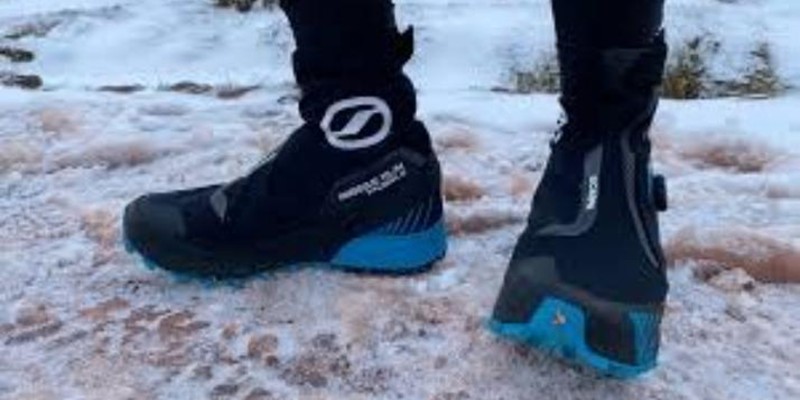
The most apparent use case is snow hiking. In powder, or in post-holing in soft snow, without gaiters, you get your boots filled with snow with each stride. Cold temperatures cause severe frostbite when wet feet are involved. Winter hikers and snowshoers view gaiters as essential gear and not an accessory.
Muddy and Wet Trails
Muddy trails splash fling dirty water into low-topped shoes and even half-high boots. Gaiters keep mud out of doors where it should be. Hiking in the Pacific Northwest during spring, or in any wet area, is much more enjoyable with this easy protection.
Rocky and Sandy Terrain
Rocky and sandy terrain fill boots with tiny stones and grit that result in blisters and hot spots. Gaiters are beneficial to desert hikers, scree field scramblers, and anyone who is on decomposed granite trails. Lightweight gaiters increasingly prove useful in debris protection in technical terrain by trail runners.
Brush and Vegetation-Heavy Areas
Brush and tall grass conceal ticks, seeds and thorns that cling to socks and skin. Gaiters form a slick coating on which the vegetation slides and not grabs. Gaiters serve as protection against pests as much as they do as a means of managing debris, especially in tick-infested areas, to the hunters and off-trail hikers.
Types Of Gaiters And When To Use Each
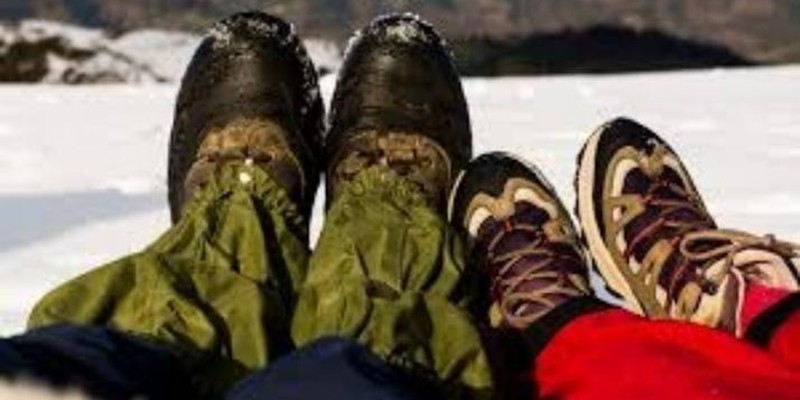
Full-height gaiters are worn all the way to the knees. These offer optimum protection against deep snow, stream crossings, and bushwhacking through thick vegetation. Such brands as the Outdoor Research Crocodiles and Black Diamond Apex became a standard of mountain climbing and winter hiking. Good full-height models will cost between forty and eighty dollars.
Mid-height gaiters extend up to the mid-calf. They deal with the majority of three-season trails such as moderate mud, light snow, and trails that are prone to debris. According to REI, the most popular category of gaiters that they sell to use in general hiking is mid-height gaiters [2]. They are good protection but less bulky and cheaper than full-height.
Trail running gaiters are low-profile ankle sleeves which exist only to protect the debris. Such brands as Dirty Girl Gaiters are under an ounce and are simply put onto a particular shoe model. They leave sand and pebbles uncovered to the elements. These are popular with ultralight backpackers and trail runners.
How To Choose The Right Gaiters
Adjust gaiter to your normal operation. Tall to wade in the snow and heavy bushwhacking. Halfway height to protect general trails. The ankle gaiters used are merely debris. Purchasing more protection than is necessary is unnecessary, and heavy, costly, and hot.
Make sure that your boots are compatible with your checks before buying. There are gaiters which suit particular boots. The instep strap should go round your sole without being too tight. Rand hooks or front hooks must be in accordance with your boot design. Test gaiters over your real hiking boots instead of trial and error.
Durability and breathability of materials. Cordura nylon is resistant to rocks and crampons abrasion. Gore-Tex and eVent fabrics are waterproof breathable in wet conditions. According to American Hiking Society, it is advisable to examine seam construction and the quality of closure since these are the areas of failure that define the lifespan in the real world [3].
Add Gaiters When Conditions Call For Them
Gaiters address particular issues and are not general hiking equipment. Providing you are used to marching in snow, mud, sand or heavy brush, good gaiters will pay their price in comfort and longer life of the boots. By following dry well-kept tracks, you might never require them.
It is best to begin with mid-height gaiters, in case you are not sure. They deal with the most varied conditions at an intermediate price and weight. Use full-height models when saving or when climbing. When trail conditions get difficult, your feet will remain cleaner, drier and happier.
References
[1] Hiking Gear Recommendations - National Park Service - https://www.rei.com/learn/expert-advice/day-hiking-checklist.html
[2] How To Choose Gaiters - REI Expert Advice - https://www.rei.com/learn/expert-advice/gaiters.html
[3] Hiking Gear Essentials - American Hiking Society - https://americanhiking.org/organizing-your-hiking-gear-for-backpacking/
Related Posts
Outdoor Gear
Best Waterproof Jackets for Heavy Rain, Wind, and Long Days Outside
Outdoor Gear
What to Pack for a Day Hike: Essential Gear You Shouldn't Forget

Guides and Tips
Hiking Poles Guide: When Do You Actually Need Hiking Poles
Destinations
Best Mountain Hikes in New Zealand for First-Time Visitors
Activities
How To Safely Cross Rivers While Hiking With 9 Simple Safety Checks

Activities